
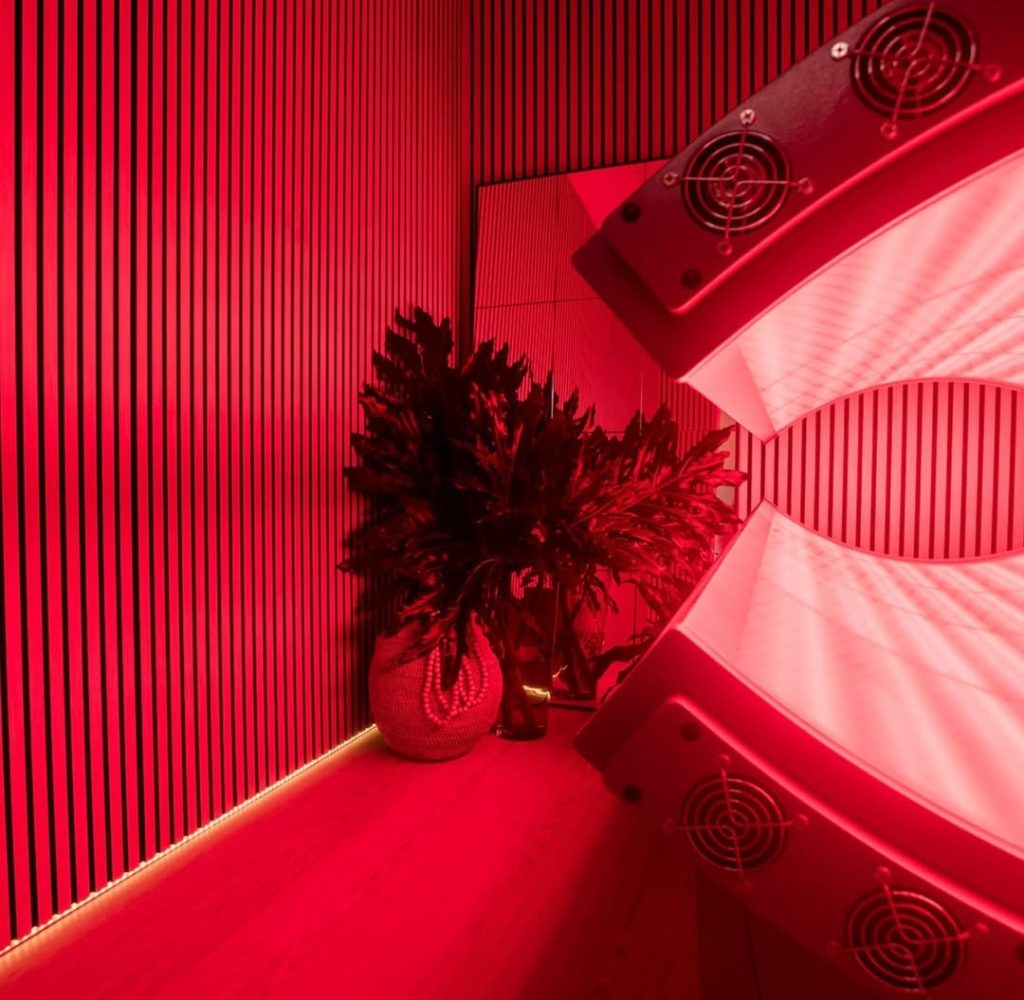
Nighttime stress and anxiety affect millions of people who struggle to relax their minds and bodies before sleep. Racing thoughts, muscle tension, and emotional restlessness can make it difficult to fall asleep and stay asleep through the night. Poor sleep then worsens stress levels the following day, creating a frustrating cycle that impacts mood, focus, and overall health. As more individuals search for natural and noninvasive solutions, red light therapy has gained attention as a gentle method that may support relaxation and emotional balance in the evening hours.
Understanding How Red Light Therapy Works
Red light therapy uses specific wavelengths of low level red or near infrared light that penetrate the skin without causing heat or damage. These wavelengths interact with cells in the body, particularly the mitochondria, which are responsible for producing cellular energy. When mitochondrial activity improves, cells function more efficiently, inflammation may decrease, and the body can shift toward a calmer physiological state. This cellular response is believed to influence hormones, circulation, and nervous system activity, all of which play a role in stress and anxiety regulation. Experience deeper rest and nighttime relaxation naturally with Red Light Therapy For Sleep, a gentle wellness approach designed to calm the mind and support healthy sleep cycles.
The Connection Between Light Exposure and the Nervous System
Human biology is closely connected to light exposure, especially in relation to circadian rhythm and nervous system balance. Bright artificial lighting and blue light from screens at night can signal alertness to the brain, making relaxation more difficult. In contrast, soft red wavelengths are associated with calmness and reduced stimulation. Red light therapy may help activate the parasympathetic nervous system, which is responsible for rest, digestion, and recovery. When this calming system becomes dominant in the evening, heart rate slows, breathing deepens, and the body prepares naturally for sleep.
Supporting Melatonin Production for Better Sleep
Melatonin is a hormone that regulates the sleep wake cycle and signals the body that it is time to rest. Stress, screen exposure, and irregular schedules can interfere with natural melatonin release, leading to delayed sleep onset and nighttime anxiety. Unlike blue or white light, red light does not strongly suppress melatonin production. Gentle evening exposure to red light therapy may therefore support the body’s natural hormonal rhythm, helping individuals feel sleepy at an appropriate time while reducing the mental tension that often appears before bed.
Reducing Physical Tension Linked to Anxiety
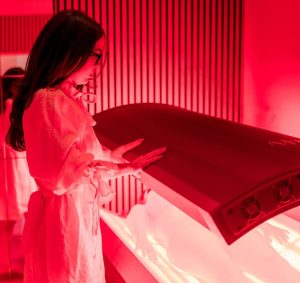
Stress is not only mental but also physical, often appearing as tight shoulders, headaches, jaw tension, or restless muscles. Red light therapy is widely studied for its potential to reduce inflammation and support muscle recovery. When the body experiences less physical discomfort, the brain receives fewer danger signals, which can lower overall anxiety levels. Evening sessions that target the neck, shoulders, or back may promote a sensation of warmth and relaxation that prepares the body for restful sleep and emotional calm.
Encouraging Mindfulness and Relaxation Rituals
Beyond its biological effects, red light therapy can become part of a calming nighttime routine. Establishing consistent pre sleep rituals signals safety and predictability to the brain, which helps reduce anxious thinking. Sitting quietly under soft red light while practicing deep breathing, meditation, or gentle stretching creates a peaceful transition from daytime activity to nighttime rest. Over time, the mind may begin to associate this routine with relaxation, making it easier to unwind even during stressful periods.
Potential Mood Benefits Through Cellular Energy Support
Low mood and anxiety are sometimes linked to reduced cellular energy and chronic inflammation. Because red light therapy supports mitochondrial efficiency, researchers believe it may indirectly influence emotional wellbeing. Improved cellular function can contribute to balanced neurotransmitter activity and reduced oxidative stress in the brain. While red light therapy is not a replacement for mental health treatment, some individuals report feeling calmer, more stable, and emotionally resilient when using it consistently as part of a holistic wellness approach.
Safety and Comfort for Nighttime Use
One reason red light therapy is appealing for evening stress relief is its gentle and noninvasive nature. Sessions are typically painless and require only a few minutes of exposure to the light source. Unlike medications or strong sleep aids, red light therapy does not usually cause grogginess the next morning. Most devices are designed for safe home use when instructions are followed carefully. Individuals with specific medical conditions or sensitivities should still consult a healthcare professional before beginning any new wellness practice.
Creating an Effective Nighttime Red Light Routine
To experience the greatest calming benefits, consistency is essential. Many users choose to begin red light therapy twenty to thirty minutes before bedtime in a quiet and dim environment. Reducing screen time, lowering household lighting, and combining the session with slow breathing or journaling can enhance relaxation. Keeping sessions at a comfortable duration and maintaining a regular sleep schedule helps reinforce the body’s natural rhythm. Small habits practiced daily often produce more meaningful results than occasional long sessions.
Who May Benefit Most From Evening Red Light Therapy
People who experience racing thoughts, mild sleep difficulties, muscle tension, or evening overstimulation may find red light therapy especially helpful. It may also support shift workers, busy professionals, and individuals who spend long hours in front of bright screens. Those seeking drug free wellness options often appreciate its simplicity and low commitment. However, individuals with severe anxiety or chronic insomnia should consider combining light therapy with professional medical or psychological care for comprehensive support.
Integrating Red Light Therapy Into a Holistic Stress Strategy
True nighttime calm rarely comes from a single solution. Red light therapy works best when combined with healthy lifestyle habits such as balanced nutrition, regular physical activity, mindful breathing, and consistent sleep timing. Limiting caffeine late in the day, reducing stimulating media before bed, and creating a comfortable sleep environment further strengthen results. When multiple calming practices align, the nervous system learns to transition smoothly into rest, reducing the intensity and frequency of nighttime anxiety.
Final Thoughts on Red Light Therapy for Nighttime Calm
Red light therapy offers a gentle and promising approach for individuals seeking natural ways to reduce nighttime stress and anxiety. By supporting cellular energy, encouraging melatonin balance, easing muscle tension, and promoting relaxation rituals, it may help the body and mind prepare for deeper and more restorative sleep. While results vary from person to person, consistent and mindful use can become a valuable part of an evening wellness routine that nurtures calm, emotional balance, and long term wellbeing.
About The Author
